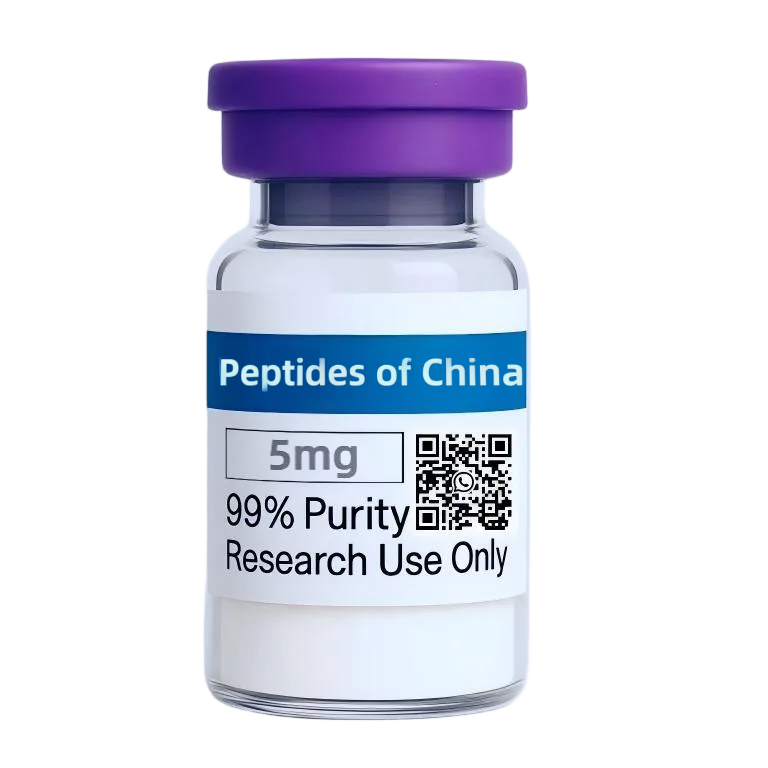
Standardized neuropeptide mixture derived from porcine brain protein.
Cerebrolysin is a research compound available through our china peptide catalog as a finished, lyophilized vial from an established Chinese manufacturer. It belongs to the Standardized porcine brain-derived peptide mixture
Research Areas
Neuroprotection, neurodegeneration models, ischemic brain injury, traumatic brain injury, cognitive aging
Available Variants
| Name | Strength | Pack Size | Purity | Availability |
|---|---|---|---|---|
| Cerebrolysin | 60 mg | 6 vials | — | In Stock |
Specification Highlights
Research Areas
Neuroprotection and Excitotoxicity Research Research has examined cerebrolysin’s neuroprotective properties in primary cortical and hippocampal neuron cultures under conditions of glutamate excitotoxicity, oxygen-glucose deprivation, and oxidative stress. Studies have measured neuronal viability (MTT, LDH assays), mitochondrial function, and caspase activation. The proposed mechanism involves induction of endogenous BDNF and NGF expression and activation of TrkB/TrkA survival signaling pathways. Neurodegeneration and Amyloid Research In rodent models of Alzheimer’s disease-like pathology (APP/PS1 transgenic, intracerebroventricular streptozotocin), cerebrolysin has been studied for effects on amyloid-beta peptide production, tau hyperphosphorylation (pTau-Thr231, pTau-Ser396), and synaptic plasticity markers (PSD-95, synaptophysin). Research interest lies in whether the mixture’s neurotrophic-like components can activate trophic signaling pathways that reduce amyloidogenic APP processing. Ischemic Brain Injury Models In rodent middle cerebral artery occlusion (MCAO) models of focal brain ischemia, cerebrolysin has been studied for effects on infarct volume, neurological deficit scoring, and long-term behavioral recovery. Research has examined timing-dependent effects (pre-ischemic versus post-ischemic administration) and the potential interaction between cerebrolysin and thrombolytic agents in reperfusion research contexts. ## Sourcing Cerebrolysin From China
Cerebrolysin is available through our platform as a china peptide sourced directly from an established Chinese manufacturer. Three points define how we handle it:
- Factory-direct, not trader-sourced. We confirm availability and specification with the manufacturer before the order is confirmed. There is no intermediary resale of unknown-origin vials in this catalog.
- Specification before shipment. The purity and concentration specification shown on this page is the manufacturer’s batch specification. Product-specific quality-control information travels with the order.
- Research-use discipline. Like every listing in our catalog, Cerebrolysin is supplied for laboratory research use only, under strict research-use terms.
For buyers comparing chinese peptides suppliers, the practical test is whether the seller can name the manufacturer and show the batch documentation. We work the other way around: the manufacturer and the documentation are the offer. Browse the full catalog or see how sourcing works.
Available Variants
| Name | Strength | Pack Size | Purity | Availability |
|---|---|---|---|---|
| Cerebrolysin | 60 mg | 6 vials | — | In Stock |
Specification Highlights
Research Areas
Neuroprotection and Excitotoxicity Research Research has examined cerebrolysin’s neuroprotective properties in primary cortical and hippocampal neuron cultures under conditions of glutamate excitotoxicity, oxygen-glucose deprivation, and oxidative stress. Studies have measured neuronal viability (MTT, LDH assays), mitochondrial function, and caspase activation. The proposed mechanism involves induction of endogenous BDNF and NGF expression and activation of TrkB/TrkA survival signaling pathways. Neurodegeneration and Amyloid Research In rodent models of Alzheimer’s disease-like pathology (APP/PS1 transgenic, intracerebroventricular streptozotocin), cerebrolysin has been studied for effects on amyloid-beta peptide production, tau hyperphosphorylation (pTau-Thr231, pTau-Ser396), and synaptic plasticity markers (PSD-95, synaptophysin). Research interest lies in whether the mixture’s neurotrophic-like components can activate trophic signaling pathways that reduce amyloidogenic APP processing. Ischemic Brain Injury Models In rodent middle cerebral artery occlusion (MCAO) models of focal brain ischemia, cerebrolysin has been studied for effects on infarct volume, neurological deficit scoring, and long-term behavioral recovery. Research has examined timing-dependent effects (pre-ischemic versus post-ischemic administration) and the potential interaction between cerebrolysin and thrombolytic agents in reperfusion research contexts.
Compound Profile
Cerebrolysin is a porcine brain-derived peptide mixture produced by enzymatic digestion of purified porcine brain proteins, standardized to contain approximately 25% low-molecular-weight peptide fragments (primarily below 10 kDa) and 75% free amino acids. The low-molecular-weight peptide fraction is proposed to contain neurotrophic and neuroprotective components, including peptides with activity profiles similar to endogenous neurotrophic factors such as BDNF (brain-derived neurotrophic factor), NGF (nerve growth factor), and CNTF (ciliary neurotrophic factor). This neurotrophic-like activity is the primary mechanistic hypothesis underlying cerebrolysin’s research profile. Preclinical research in rodent models of neurodegenerative conditions, ischemic brain injury, and traumatic brain injury has examined cerebrolysin’s effects on neuronal survival, dendritic morphology, amyloid precursor protein (APP) processing, tau phosphorylation, and cognitive behavioral endpoints. Studies have documented increased BDNF and NGF protein levels in brain tissue of cerebrolysin-treated animals, and in vitro experiments with primary cortical and hippocampal neurons have shown protection against glutamate excitotoxicity and oxidative stress-induced cell death in cerebrolysin-treated cultures. Peptides of China supplies Cerebrolysin as a lyophilized powder preparation at standardized peptide content, verified by HPLC. Every batch is tested by the manufacturer for purity and concentration as part of routine quality control. All products are for laboratory research use only and are not for human consumption.
Profile
Research Areas
Neuroprotection, neurodegeneration models, ischemic brain injury, traumatic brain injury, cognitive aging
Available Variants
| Name | Strength | Pack Size | Purity | Availability |
|---|---|---|---|---|
| Cerebrolysin | 60 mg | 6 vials | — | In Stock |
Specification Highlights
Research Areas
Neuroprotection and Excitotoxicity Research Research has examined cerebrolysin’s neuroprotective properties in primary cortical and hippocampal neuron cultures under conditions of glutamate excitotoxicity, oxygen-glucose deprivation, and oxidative stress. Studies have measured neuronal viability (MTT, LDH assays), mitochondrial function, and caspase activation. The proposed mechanism involves induction of endogenous BDNF and NGF expression and activation of TrkB/TrkA survival signaling pathways. Neurodegeneration and Amyloid Research In rodent models of Alzheimer’s disease-like pathology (APP/PS1 transgenic, intracerebroventricular streptozotocin), cerebrolysin has been studied for effects on amyloid-beta peptide production, tau hyperphosphorylation (pTau-Thr231, pTau-Ser396), and synaptic plasticity markers (PSD-95, synaptophysin). Research interest lies in whether the mixture’s neurotrophic-like components can activate trophic signaling pathways that reduce amyloidogenic APP processing. Ischemic Brain Injury Models In rodent middle cerebral artery occlusion (MCAO) models of focal brain ischemia, cerebrolysin has been studied for effects on infarct volume, neurological deficit scoring, and long-term behavioral recovery. Research has examined timing-dependent effects (pre-ischemic versus post-ischemic administration) and the potential interaction between cerebrolysin and thrombolytic agents in reperfusion research contexts.