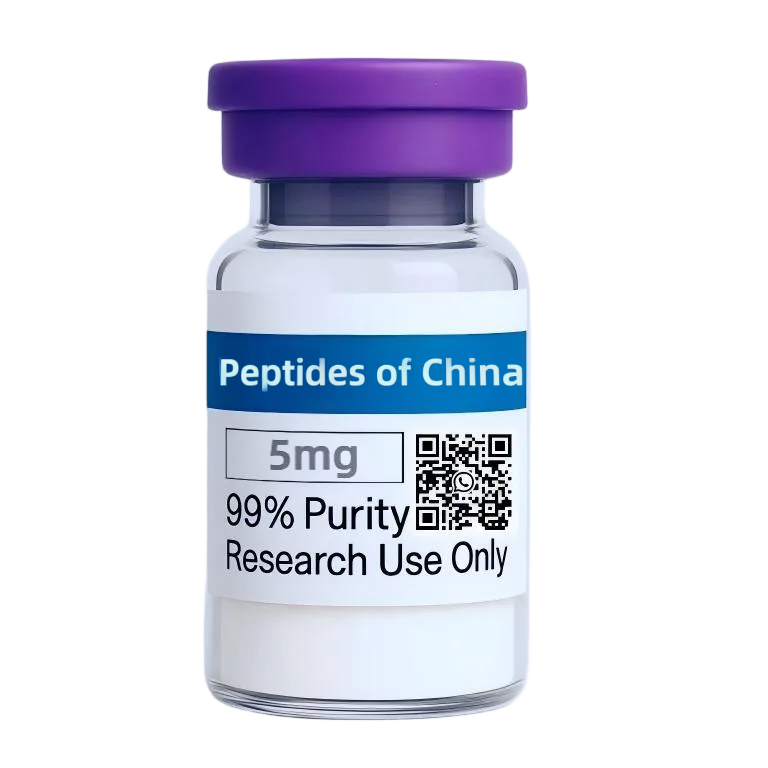
Compounded lipotropic injectable containing L-Carnitine 200mg, L-Arginine 20mg, Methionine 25mg, Inositol 50mg, Choline 50mg, B5 (Dexpanthenol) 25mg, B6 25mg, and B12 (Cyanocobalamin) 1mg per ml.
Lipo-C (Lipotropic Complex) is a research compound available through our china peptide catalog as a finished, lyophilized vial from an established Chinese manufacturer. It belongs to the Lipotropic agent combination (injectable formulation)
Research Areas
Hepatic lipid metabolism, lipotropic biology, methylation research, fatty liver models, one-carbon metabolism
Available Variants
| Name | Strength | Pack Size | Purity | Availability |
|---|---|---|---|---|
| Lipo-C (Lipotropic Complex) | 10 ml | 10 vials | ≥98% | In Stock |
Specification Highlights
Quality & Testing
Testing method: HPLC / LC-MS . Products are supplied against the specification shown on the applicable product page. The standard catalog purity specification is ≥98% unless otherwise stated. Product-specific specifications and quality-control information may vary by compound and batch. Every batch is tested by the manufacturer for purity and concentration as part of routine quality control, using methods such as HPLC and LC-MS. These results are kept in the manufacturer’s internal quality-control records and are not issued as a separate certificate or document.
Research Areas
Hepatic Fat Metabolism Research The liver is the primary site of fatty acid synthesis, oxidation, and VLDL export. Choline deficiency is a well-established cause of hepatic steatosis (fatty liver) in rodent models — the choline-deficient diet is a standard model for NAFLD research. Lipo-C provides choline along with methionine (for SAM-dependent phosphatidylcholine synthesis) and inositol (for PI3K signaling and phospholipid synthesis), addressing the nutritional basis of hepatic lipid handling in research models. One-Carbon and Methionine Cycle Research Methionine is converted to SAM (the universal methyl donor) and then to homocysteine; remethylation of homocysteine back to methionine requires B12 and folate. Research using MIC combinations examines how methyl donor availability affects SAM-dependent reactions — including DNA methylation, histone methylation, and phosphatidylcholine synthesis via the PEMT pathway. Lipo-C provides a tool for studying one-carbon metabolism in the context of hepatic lipid biology. Mitochondrial Fatty Acid Transport Research L-Carnitine (when included in Lipo-C formulations) facilitates long-chain fatty acid transport across the inner mitochondrial membrane via the carnitine shuttle — the rate-limiting step for β-oxidation of long-chain fatty acids. Research has used carnitine-containing lipotropic combinations to examine how carnitine availability affects hepatic and skeletal muscle fatty acid oxidation rates, ketone production, and triglyceride accumulation in metabolic disease models. ## Sourcing Lipo-C (Lipotropic Complex) From China
Lipo-C (Lipotropic Complex) is available through our platform as a china peptide sourced directly from an established Chinese manufacturer. Three points define how we handle it:
- Factory-direct, not trader-sourced. We confirm availability and specification with the manufacturer before the order is confirmed. There is no intermediary resale of unknown-origin vials in this catalog.
- Specification before shipment. The purity and concentration specification shown on this page is the manufacturer’s batch specification. Product-specific quality-control information travels with the order.
- Research-use discipline. Like every listing in our catalog, Lipo-C (Lipotropic Complex) is supplied for laboratory research use only, under strict research-use terms.
For buyers comparing chinese peptides suppliers, the practical test is whether the seller can name the manufacturer and show the batch documentation. We work the other way around: the manufacturer and the documentation are the offer. Browse the full catalog or see how sourcing works.
Available Variants
| Name | Strength | Pack Size | Purity | Availability |
|---|---|---|---|---|
| Lipo-C (Lipotropic Complex) | 10 ml | 10 vials | ≥98% | In Stock |
Specification Highlights
Quality & Testing
Testing method: HPLC / LC-MS . Products are supplied against the specification shown on the applicable product page. The standard catalog purity specification is ≥98% unless otherwise stated. Product-specific specifications and quality-control information may vary by compound and batch. Every batch is tested by the manufacturer for purity and concentration as part of routine quality control, using methods such as HPLC and LC-MS. These results are kept in the manufacturer’s internal quality-control records and are not issued as a separate certificate or document.
Research Areas
Hepatic Fat Metabolism Research The liver is the primary site of fatty acid synthesis, oxidation, and VLDL export. Choline deficiency is a well-established cause of hepatic steatosis (fatty liver) in rodent models — the choline-deficient diet is a standard model for NAFLD research. Lipo-C provides choline along with methionine (for SAM-dependent phosphatidylcholine synthesis) and inositol (for PI3K signaling and phospholipid synthesis), addressing the nutritional basis of hepatic lipid handling in research models. One-Carbon and Methionine Cycle Research Methionine is converted to SAM (the universal methyl donor) and then to homocysteine; remethylation of homocysteine back to methionine requires B12 and folate. Research using MIC combinations examines how methyl donor availability affects SAM-dependent reactions — including DNA methylation, histone methylation, and phosphatidylcholine synthesis via the PEMT pathway. Lipo-C provides a tool for studying one-carbon metabolism in the context of hepatic lipid biology. Mitochondrial Fatty Acid Transport Research L-Carnitine (when included in Lipo-C formulations) facilitates long-chain fatty acid transport across the inner mitochondrial membrane via the carnitine shuttle — the rate-limiting step for β-oxidation of long-chain fatty acids. Research has used carnitine-containing lipotropic combinations to examine how carnitine availability affects hepatic and skeletal muscle fatty acid oxidation rates, ketone production, and triglyceride accumulation in metabolic disease models.
Compound Profile
Lipo-C Lipotropic Complex is a combination injectable formulation containing lipotropic agents — compounds that facilitate fat transport, metabolism, and hepatic clearance. The core formulation includes the MIC combination (Methionine, Inositol, Choline) with Cyanocobalamin (Vitamin B12), and may include additional components such as L-Carnitine, Riboflavin (B2), Thiamine (B1), and Dexpanthenol (B5) depending on formulation variant. These components collectively target hepatic fat metabolism, mitochondrial fatty acid transport, and cellular energy production pathways. Each component has a defined metabolic role: Methionine is an essential amino acid and major methyl donor via the SAM cycle, required for phosphatidylcholine synthesis and liver fat export (VLDL assembly); Inositol is a phospholipid precursor and insulin signaling modulator; Choline is essential for phosphatidylcholine synthesis and very-low-density lipoprotein (VLDL) assembly in the liver — choline deficiency causes hepatic steatosis. B12 supports methylation reactions and neurological function. The combination addresses multiple steps in hepatic lipid handling — making it a tool for studying the intersection of methionine metabolism, choline requirements, and fatty liver biology. Peptides of China supplies Lipo-C Lipotropic Complex as a sterile liquid formulation at verified component concentrations. Every batch is tested by the manufacturer for purity and concentration as part of routine quality control. All products are for laboratory research use only and are not for human consumption.
Profile
Research Areas
Hepatic lipid metabolism, lipotropic biology, methylation research, fatty liver models, one-carbon metabolism
Available Variants
| Name | Strength | Pack Size | Purity | Availability |
|---|---|---|---|---|
| Lipo-C (Lipotropic Complex) | 10 ml | 10 vials | ≥98% | In Stock |
Specification Highlights
Quality & Testing
Testing method: HPLC / LC-MS . Products are supplied against the specification shown on the applicable product page. The standard catalog purity specification is ≥98% unless otherwise stated. Product-specific specifications and quality-control information may vary by compound and batch. Every batch is tested by the manufacturer for purity and concentration as part of routine quality control, using methods such as HPLC and LC-MS. These results are kept in the manufacturer’s internal quality-control records and are not issued as a separate certificate or document.
Research Areas
Hepatic Fat Metabolism Research The liver is the primary site of fatty acid synthesis, oxidation, and VLDL export. Choline deficiency is a well-established cause of hepatic steatosis (fatty liver) in rodent models — the choline-deficient diet is a standard model for NAFLD research. Lipo-C provides choline along with methionine (for SAM-dependent phosphatidylcholine synthesis) and inositol (for PI3K signaling and phospholipid synthesis), addressing the nutritional basis of hepatic lipid handling in research models. One-Carbon and Methionine Cycle Research Methionine is converted to SAM (the universal methyl donor) and then to homocysteine; remethylation of homocysteine back to methionine requires B12 and folate. Research using MIC combinations examines how methyl donor availability affects SAM-dependent reactions — including DNA methylation, histone methylation, and phosphatidylcholine synthesis via the PEMT pathway. Lipo-C provides a tool for studying one-carbon metabolism in the context of hepatic lipid biology. Mitochondrial Fatty Acid Transport Research L-Carnitine (when included in Lipo-C formulations) facilitates long-chain fatty acid transport across the inner mitochondrial membrane via the carnitine shuttle — the rate-limiting step for β-oxidation of long-chain fatty acids. Research has used carnitine-containing lipotropic combinations to examine how carnitine availability affects hepatic and skeletal muscle fatty acid oxidation rates, ketone production, and triglyceride accumulation in metabolic disease models.